



Top 10 Summer Solstice Traditions Still Practiced Today
 By Dhiraj Sharma · Published
Share Post
Loading…
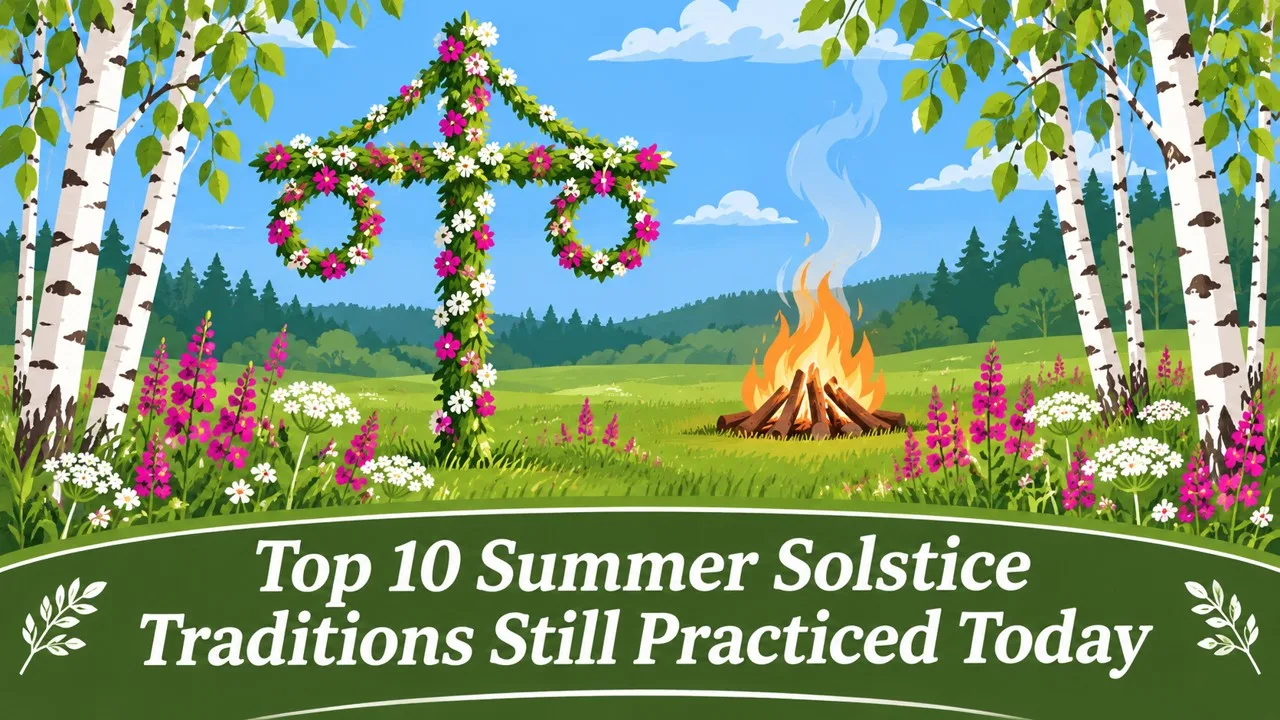
From sunrise at Stonehenge to bonfires, maypoles, floating wreaths and a midnight baseball game, ten summer solstice traditions that live on today. The summer solstice is the day when the sun reaches its highest point in the sky and daylight lasts longer than on any other day of the year. In the Northern Hemisphere, it usually falls on June 20 or 21.
For thousands of years, people have marked the solstice with celebrations. In ancient times, the longest day was a moment of great importance for farmers, who depended on the sun for their crops, and for religious traditions that honored the sun and the natural world.
Many of these celebrations have survived, often blending ancient customs with Christian feasts, especially the feast of Saint John the Baptist on June 24. In some countries, midsummer is one of the most important holidays of the year, rivaling Christmas.
Fire is a common feature of solstice celebrations. Bonfires were believed to strengthen the sun, ward off evil spirits and bring good luck, and in many places people still gather around them and even jump over the flames.
Flowers, greenery and water also play important roles. Wreaths, maypoles and herbs collected on midsummer night were believed to have special powers, especially for love, fertility and health.
The ten traditions below are all still practiced today, in Europe, North America and Asia. Some are huge public festivals, while others are quieter family customs.
Together, they show how the longest day of the year continues to bring people together, connecting modern life with traditions that stretch back centuries.
In the far north, where the sun barely sets at midsummer, the celebrations take on a special character, with parties that continue through bright nights. Further south, the festivities often center on warm evenings, beaches and open-air gatherings.
Many of these festivals are also major events for tourism, drawing visitors who want to experience local customs firsthand.
Key Facts
| # | Tradition | Where | Highlights |
|---|---|---|---|
| 1 | Stonehenge gathering | Wiltshire, England | Thousands watch the sun rise over the prehistoric monument |
| 2 | Midsommar | Sweden | Maypoles, flower crowns, herring and strawberries |
| 3 | Juhannus | Finland | Lakeside bonfires, saunas and flags flying all night |
| 4 | Sankt Hans aften | Denmark | Bonfires, songs and a straw witch |
| 5 | Jani | Latvia | Wreaths, songs, cheese and staying up until sunrise |
| 6 | Kupala Night | Ukraine, Belarus, Poland and Russia | Wreaths on water, fire jumping and searching for a magic flower |
| 7 | Night of San Juan | Spain | Beach bonfires, jumping waves and burning sculptures |
| 8 | Fete nationale | Quebec, Canada | Concerts, bonfires and blue and white flags |
| 9 | Midnight Sun Game | Fairbanks, Alaska | A game played late at night in natural light |
| 10 | Xiazhi | China | Seasonal foods and ancient rituals |
1. Sunrise Over Ancient Stones
Stonehenge, built in stages beginning around five thousand years ago, is aligned with the sunrise on the summer solstice and the sunset on the winter solstice. On the longest day, the sun rises close to a stone known as the Heel Stone, seen from the center of the monument [1].
Each year, English Heritage, which manages the site, opens the stones to the public for solstice sunrise. Thousands of people gather overnight, including modern Druids, pagans, tourists and local residents [1].
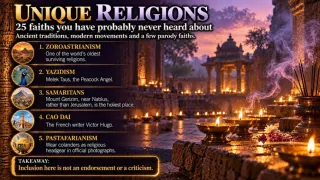
Related: Top 25 Unique Religions You Have Probably Never Heard Of
The gathering is a mix of spiritual ceremony and festival, with drumming, dancing and singing. When the weather is clear, the crowd cheers as the sun appears on the horizon.
2. Dancing Around the Maypole
In Sweden, Midsummer is one of the most beloved holidays of the year. It is celebrated on the Friday between June 19 and 25, when many people leave the cities for the countryside [2].
The central tradition is raising a maypole decorated with leaves and flowers, around which people dance and sing traditional songs, including one in which dancers hop like little frogs. Many wear crowns of flowers in their hair [2].
The festive meal usually includes pickled herring, new potatoes, sour cream and fresh strawberries. According to folklore, young people who place seven kinds of flowers under their pillow on Midsummer night will dream of their future spouse.
3. Bonfires and Saunas
In Finland, Midsummer, known as Juhannus, is celebrated on the weekend nearest the solstice. Many Finns travel to summer cottages by lakes and the sea, and the cities become unusually quiet [3].
Bonfires, known as kokko, are lit by the water, and families and friends enjoy saunas, swimming and long evenings in the near-endless daylight. Midsummer Day is also Finland's Flag Day, and flags are flown through the bright night [3].
Like in Sweden, there are old folk traditions linked to love and fortune telling. Some people still practice them for fun, such as looking into a well or spring to see the face of a future partner.
4. Burning a Witch on the Beach
In Denmark, the evening of June 23 is known as Sankt Hans aften, or Saint John's Eve. People gather around bonfires, often on beaches, to celebrate the start of summer [4].
In many places, a figure of a witch made of straw and cloth is placed on top of the bonfire. According to tradition, the fire sends the witch away, a custom linked to old beliefs about evil spirits [4].
Related: Top 10 Ways the Ancient Olympics Differed from the Modern Games
People sing a midsummer song written in the 1880s by the poet Holger Drachmann, which celebrates love for the country and the summer. The celebration combines ancient customs with Danish national culture.
5. Oak Wreaths and Caraway Cheese
In Latvia, the midsummer festival of Jani, celebrated on June 23 and 24, is the country's most important holiday. It has deep roots in pre-Christian traditions and is associated with fertility and the power of nature [5].
Men wear wreaths of oak leaves, while women wear wreaths of flowers. People sing traditional songs known as ligo songs, eat a special cheese flavored with caraway seeds and drink beer [5].
Bonfires are lit at sunset and kept burning through the short night. Many people try to stay awake until sunrise, believing that sleeping on this night brings bad luck for the year ahead.
6. Floating Wreaths and Fern Flowers
Kupala Night is a midsummer festival celebrated by Slavic peoples, with roots in pre-Christian traditions. It is celebrated in late June or early July, depending on the calendar used in each country [6].
Young women float wreaths of flowers and candles on rivers, and according to folklore, the way a wreath travels can predict their future in love. People also jump over bonfires to cleanse themselves and bring good luck [6].
A famous legend says that a magical fern blooms only on this night, and anyone who finds its flower will gain happiness or wealth. In reality, ferns do not flower, but the legend remains part of the celebration.
7. Bonfires on the Beach
In Spain, the night of June 23, known as the Noche de San Juan, is celebrated with bonfires on beaches and in town squares. People jump over the flames or the waves of the sea for good luck [7].
In Alicante, the festival known as the Hogueras de San Juan includes huge sculptures made of wood and cardboard, which are displayed in the streets and then burned on the night of June 24. The festival attracts many visitors [7].
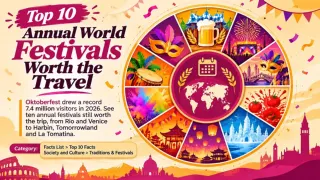
Related: Top 10 Annual World Festivals Worth the Travel
In some coastal cities, people write wishes on paper and burn them, or wash their faces in the sea at midnight. The celebrations combine Christian traditions with much older midsummer customs.
8. A National Holiday in Quebec
In Quebec, June 24 is the Fete nationale, a public holiday celebrating the province's culture and identity. It grew out of the feast of Saint John the Baptist, the patron saint of French Canadians [8].
The day is marked with concerts, parades, bonfires and family gatherings. Blue and white flags with the fleur-de-lis are displayed across the province [8].
The holiday became officially known as the Fete nationale in 1977. While it has religious roots, it is now a celebration of Quebec's language, history and culture.
9. Baseball Without Lights
In Fairbanks, Alaska, the sun barely sets around the summer solstice. Since 1906, the city has celebrated with the Midnight Sun Game, a baseball game that begins late in the evening and is played without artificial lights [9].
The game usually starts at around half past ten at night and continues past midnight, with the sky still bright enough to see the ball. It has been played almost every year for more than a century [9].
The game is hosted by the Alaska Goldpanners, a summer collegiate baseball team, and it attracts fans from across the region. It is a unique way of celebrating the long days of the far north.
10. Noodles on the Longest Day
In the traditional Chinese calendar, the year is divided into twenty-four solar terms. One of them, known as Xiazhi, marks the summer solstice and the peak of summer [10].
Related: Top 10 Little-Known Facts About Christmas Traditions
In parts of northern China, people traditionally eat noodles on this day, as recorded in a popular saying that pairs dumplings for the winter solstice with noodles for the summer solstice. Fresh wheat from the new harvest made noodles a fitting choice [10].
In imperial times, emperors made sacrifices to the earth at the solstice, at sites such as the Temple of Earth in Beijing. Today, the solstice is still noted in calendars and seasonal customs.
Conclusion
Summer solstice traditions show how deeply the longest day of the year is woven into human culture. From Stonehenge to Fairbanks, people still gather to celebrate the sun, light and the start of summer.
Many of these customs share common themes, such as bonfires, flowers, water and love. They reflect ancient beliefs about the power of the sun and the magic of midsummer night.
At the same time, each tradition has its own character, shaped by local history and culture. Some have become national holidays, while others are quieter family customs.
Whether it is dancing around a maypole, floating a wreath on a river or watching a baseball game at midnight, the solstice continues to bring people together.
In a world that often feels rushed, these celebrations offer a chance to pause, enjoy the long daylight and connect with traditions that link us to our ancestors.
Some of these celebrations have also changed with the times. Environmental concerns have led some towns to limit bonfires, and safety rules now govern the burning of large sculptures. Meanwhile, new traditions have appeared, such as mass outdoor yoga sessions and music festivals timed for the longest day. The festival of light keeps evolving, while keeping its ancient heart. For many people, the solstice remains simply a joyful excuse to stay outside late, share food and enjoy the warmth of summer with friends and family.
- ^ [1] Accounts of the summer solstice. Wikipedia: summer solstice Wikipedia: Midsummer
- ^ [2] Accounts of Stonehenge. Wikipedia: Stonehenge Wikipedia: English Heritage
- ^ [3] Accounts of Swedish Midsommar. Wikipedia: maypole Wikipedia: Swedish cuisine
- ^ [4] Accounts of Juhannus. Wikipedia: Juhannus Wikipedia: sauna
- ^ [5] Accounts of Sankt Hans aften. Wikipedia: Sankt Hans aften Wikipedia: Holger Drachmann
- ^ [6] Accounts of Jani. Wikipedia: Jani Wikipedia: Jani cheese
- ^ [7] Accounts of Kupala Night. Wikipedia: Kupala Night Wikipedia: fern flower
- ^ [8] Accounts of San Juan. Wikipedia: Saint John's Eve Wikipedia: Bonfires of Saint John
- ^ [9] Accounts of Quebec's holiday. Wikipedia: Fete nationale du Quebec Wikipedia: John the Baptist
- ^ [10] Accounts of the Midnight Sun Game and Xiazhi. Wikipedia: Midnight Sun Game Wikipedia: Xiazhi




















Discussion
Log in with