



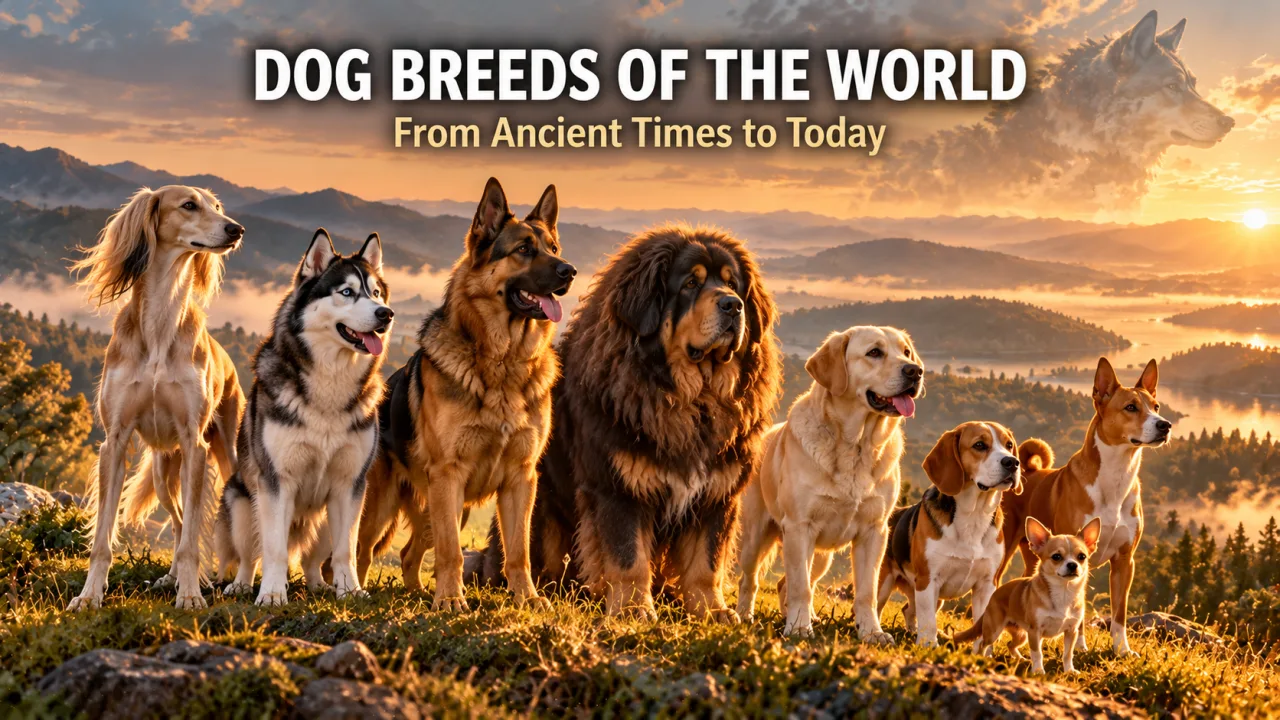
Dog breeds of the world, from ancient sighthounds and Arctic sled dogs to modern companions, form one of the richest family trees any animal shares with people.
No other animal has been shaped by human hands as much as the dog. Over thousands of years people turned descendants of the grey wolf into hunters, herders, guards, sled pullers, ratters and lap dogs, and the result is a species with more variety in size and shape than any other mammal. A Chihuahua and an Irish Wolfhound are the same species, yet one can weigh less than 2 kg and the other more than 50 kg.
How many breeds are there? It depends on who is counting. The American Kennel Club (AKC) recognises a little over 200 breeds, while noting that more than 340 are known worldwide. The Fédération Cynologique Internationale (FCI), the world body that links national kennel clubs in nearly 100 countries, recognises around 360 breeds and keeps a separate list of provisionally accepted ones. Add regional landraces, village dogs and breeds that have died out, and the true number of distinct dog types runs well into the hundreds.
This Finepedia guide walks through that whole family tree. It explains where dogs came from, how breeds are grouped, which breeds belong to each major family, the native dogs of India and other regions, and the historical types that no longer exist. Breeds with their own full Finepedia profile are linked in each section.
Where Dogs Came From
Every dog descends from an ancient population of wolves. Genetic studies place domestication somewhere between roughly 15,000 and 30,000 years ago, most likely among Ice Age hunter-gatherers in Eurasia. The oldest widely accepted dog burial, at Bonn-Oberkassel in Germany, dates to about 14,000 years ago and shows that the animal had been cared for through illness.
Early dogs were not breeds in the modern sense. They were working animals selected for what they did: tracking game, warning of strangers, pulling loads or keeping pests away. Distinct types appear in art from ancient Egypt, Mesopotamia, China and Rome, including lean sighthounds, heavy guardian dogs and small companion dogs. Most modern breeds, with written standards and closed stud books, are much younger and date from the kennel-club era that began in Victorian Britain in the 1860s and 1870s.
Key Moments in Dog History
- About 30,000 to 15,000 years ago: wolves and humans begin living alongside each other and the first dogs appear.
- About 14,000 years ago: the Bonn-Oberkassel dog is buried with two people in Germany.
- About 5,000 to 4,000 years ago: Egyptian art shows the curly-tailed Tesem hunting dog and other distinct types.
- Roman era: writers describe hunting hounds, herding dogs and the heavy Molossus guard dog.
- Middle Ages: European nobles keep scent hounds, sighthounds and mastiffs for hunting and estate guarding.
- 1859: the first organised dog show is held in Newcastle upon Tyne, England.
- 1873: The Kennel Club is founded in Britain.
- 1884: the American Kennel Club is founded.
- 1911: the FCI is founded; it is re-formed in 1921.
- Today: new breeds continue to be recognised, and DNA studies are rewriting the story of older ones.
How Dog Breeds Are Grouped
Kennel clubs sort breeds by the job they were originally developed for. The FCI uses ten groups, the AKC uses seven main groups plus a Miscellaneous Class, and Britain's Kennel Club uses seven. The table below compares the broad families used in this guide.
| Family | Original job | Typical examples |
|---|---|---|
| Ancient and primitive dogs | Hunting, guarding and village life | Basenji, Saluki, Xoloitzcuintli, Canaan Dog |
| Sighthounds | Chasing game by sight at speed | Greyhound, Afghan Hound, Borzoi, Whippet |
| Spitz and northern dogs | Sledding, hunting and guarding in cold climates | Siberian Husky, Akita, Samoyed, Norwegian Elkhound |
| Herding dogs | Moving and protecting livestock | Border Collie, German Shepherd Dog, Puli |
| Mastiffs and guardians | Protecting homes and flocks | Tibetan Mastiff, Kangal, Saint Bernard |
| Terriers | Hunting rats, foxes and badgers | Jack Russell Terrier, Airedale, Scottish Terrier |
| Sporting and gun dogs | Finding, flushing and retrieving birds | Labrador Retriever, Cocker Spaniel, Vizsla |
| Scent hounds | Tracking game by smell | Beagle, Bloodhound, Basset Hound, Dachshund |
| Companion and toy dogs | Companionship | Chihuahua, Pug, Shih Tzu, Maltese |
Ancient and Primitive Dogs
Some breeds have ancestry that DNA studies show split off early from the rest of the dog family. Researchers sometimes call them basal or ancient breeds. The word ancient is often used loosely, though: a breed can have very old roots while its written standard is less than a century old.
- Basenji: a barkless hunting dog from Central Africa that yodels instead of barking.
- Saluki: one of the oldest sighthound types, bred across the Middle East for coursing gazelle and hare.
- Xoloitzcuintli: the hairless dog of Mexico, linked to Aztec beliefs about the afterlife.
- Canaan Dog: the native pariah dog of Israel and the Levant.
- New Guinea Singing Dog and Dingo: wild or semi-wild dogs of Oceania with very old lineages.
- Chow Chow, Shar-Pei, Akita and Shiba Inu: Asian breeds that DNA places among the oldest groups.
- Greenland Dog, Alaskan Malamute and Samoyed: Arctic sled dogs with deep northern roots.
Sighthounds
Sighthounds hunt with their eyes and run down prey with bursts of extraordinary speed. They share a deep chest, long legs, a narrow head and a flexible spine. The Greyhound can reach about 70 km/h, making it the fastest dog breed.
- Afghan Hound: the long-coated hunting hound of the Afghan mountains.
- Greyhound, Whippet and Italian Greyhound: the British and Italian speed specialists.
- Borzoi: the Russian wolfhound of the aristocracy.
- Irish Wolfhound and Scottish Deerhound: the tallest of the hound breeds.
- Azawakh and Sloughi: lean desert hounds of North and West Africa.
- Pharaoh Hound, Ibizan Hound and Cirneco dell'Etna: Mediterranean rabbit hunters.
- Indian sighthounds including the Mudhol Hound, Caravan Hound, Rampur Hound, Chippiparai and Kanni.
Spitz and Northern Dogs
Spitz dogs have thick double coats, pricked ears, wedge-shaped heads and tails curled over their backs. They were built for snow and cold, pulling sleds, herding reindeer and hunting elk and bear.
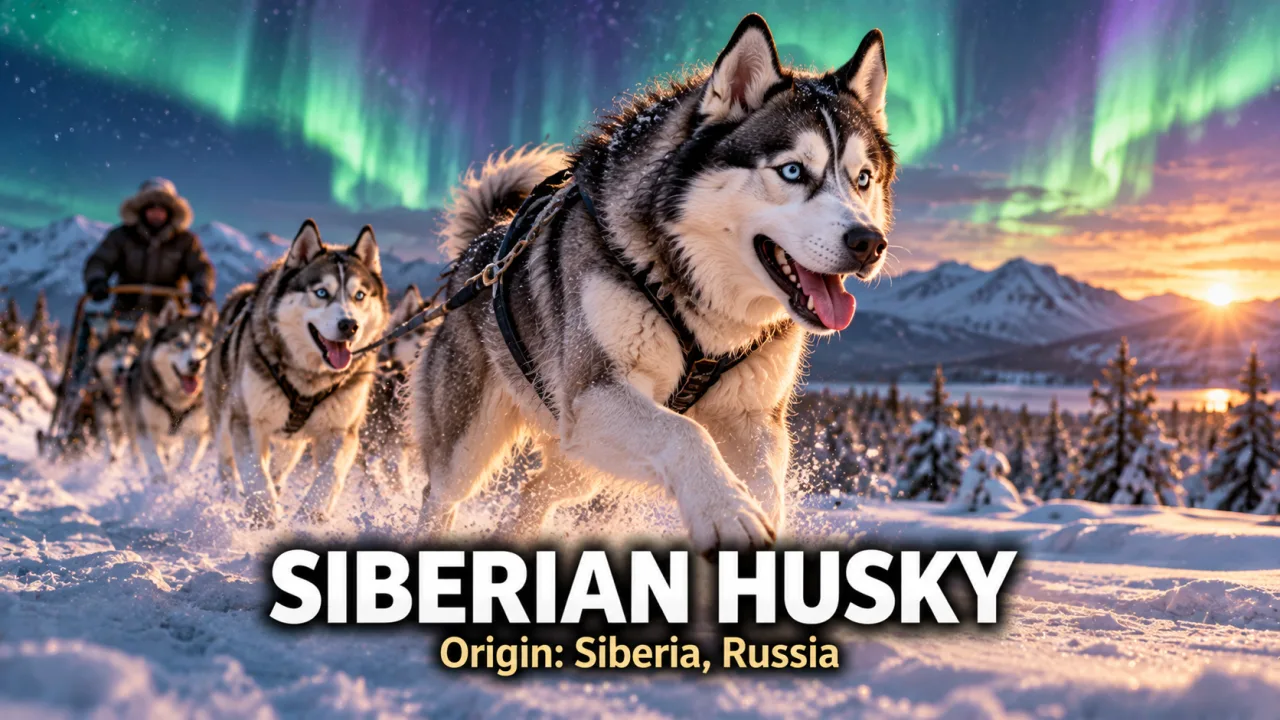
- Siberian Husky: the endurance sled dog of the Chukchi people of Siberia.
- Akita: Japan's large, dignified spitz and a national monument.
- Alaskan Malamute, Samoyed and Greenland Dog: classic Arctic sled and work dogs.
- Norwegian Elkhound, Finnish Spitz and Karelian Bear Dog: Nordic hunting spitz breeds.
- The Laikas of Russia, including the West Siberian, East Siberian, Russian-European and Yakutian Laika.
- Shiba Inu, Hokkaido, Kishu Ken, Shikoku and Kai Ken: Japan's native spitz family.
- Korean Jindo: Korea's loyal hunting dog and a protected national treasure.
Herding Dogs
Herding breeds were developed to gather, drive and guard sheep and cattle. They are quick learners with strong work drive, which is why many of them also excel in police work, search and rescue and dog sports.
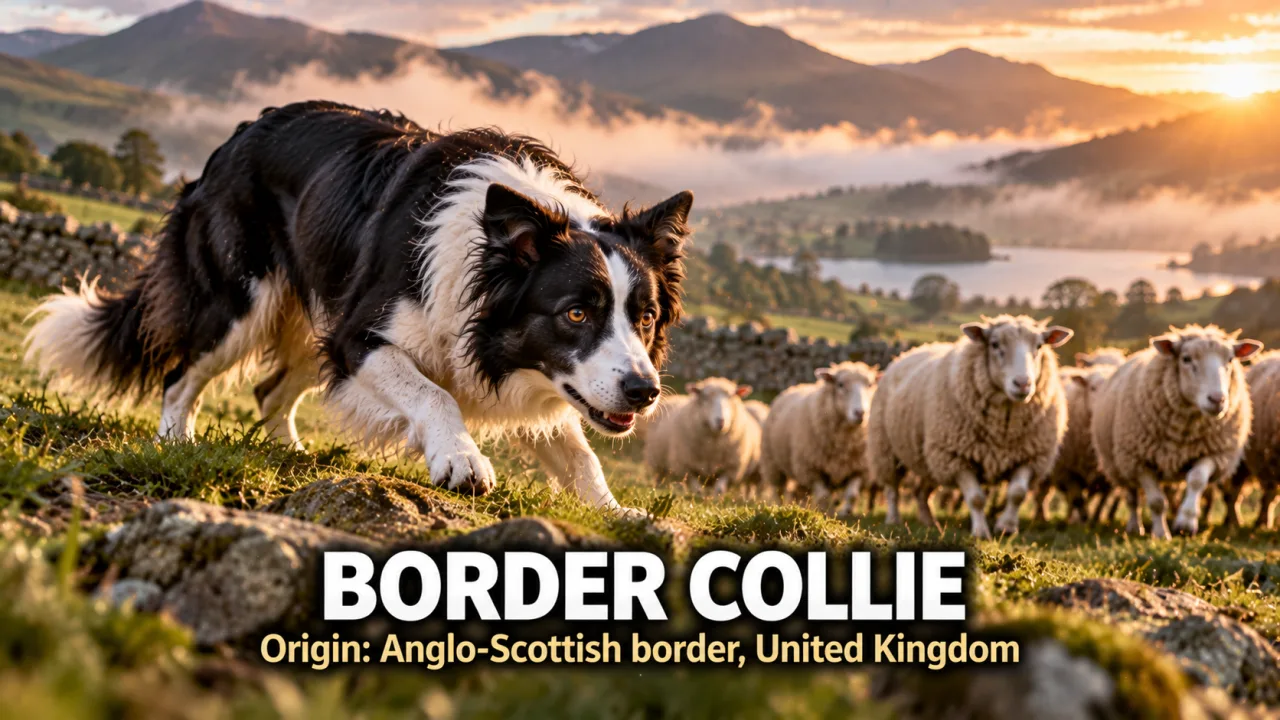
- Border Collie: the sheepdog of the Anglo-Scottish border, often called the most intelligent breed.
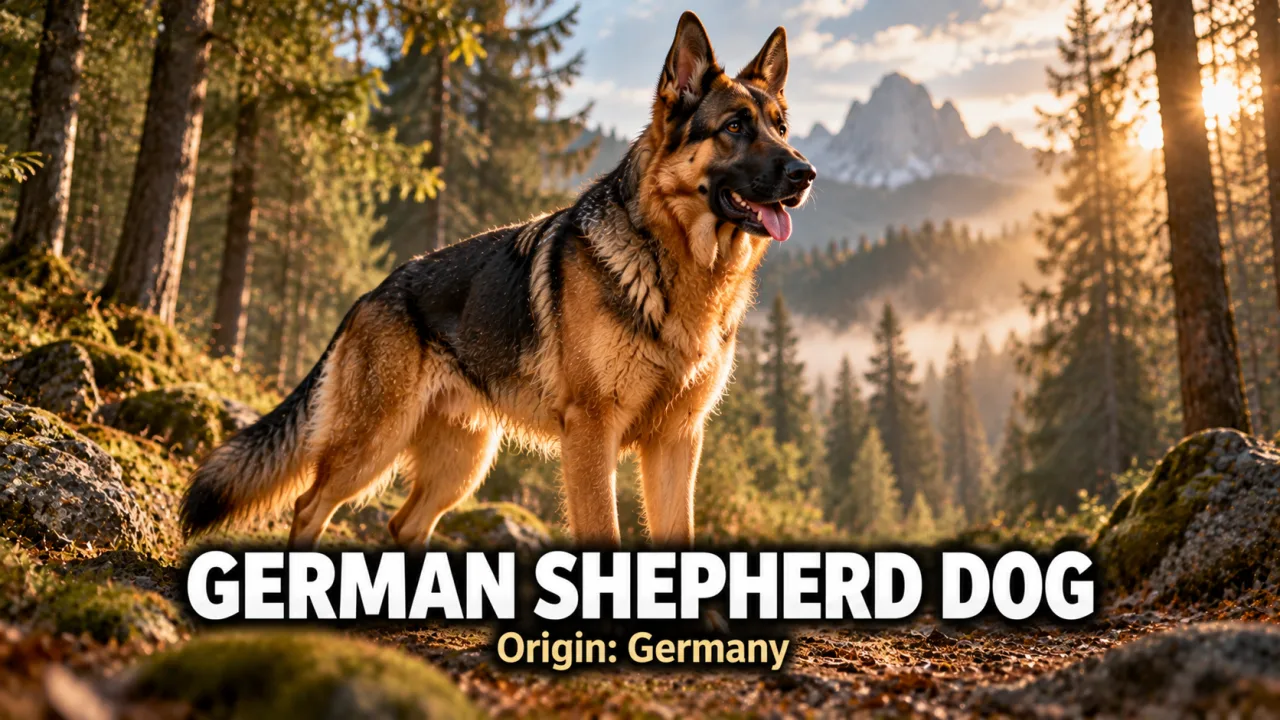
- German Shepherd Dog: the versatile working breed created in Germany in 1899.
- Rough Collie, Shetland Sheepdog and Old English Sheepdog: British herding classics.
- Pembroke and Cardigan Welsh Corgis: low cattle drovers from Wales.
- Australian Shepherd, Australian Cattle Dog and Australian Kelpie: herding specialists of the ranch and outback.
- Belgian Malinois, Tervuren, Groenendael and Laekenois: the four Belgian shepherd varieties.
- Puli, Pumi, Mudi, Komondor and Kuvasz: Hungary's herding and flock-guarding breeds.
Mastiffs and Guardian Dogs
Large guardian dogs are among the oldest working types. Heavy-boned molosser breeds protected homes and estates, while flock guardians lived with sheep and goats to defend them from wolves and bears.
- Tibetan Mastiff: the massive guardian of Himalayan herders and monasteries.
- English Mastiff, Bullmastiff, Neapolitan Mastiff and Cane Corso: classic molossers.
- Kangal and Anatolian Shepherd Dog: Turkey's famous livestock guardians.
- Caucasian and Central Asian Shepherd Dogs: guardians of the steppes and mountains.
- Great Dane, Rottweiler and Dogue de Bordeaux: powerful European working breeds.
- Saint Bernard, Newfoundland, Leonberger and Bernese Mountain Dog: gentle giants of mountain and water rescue.
Terriers
Terriers take their name from the Latin terra, meaning earth, because many were bred to go to ground after foxes, badgers and rats. Most come from Britain and Ireland, and they are known for courage, energy and a strong will.
- Jack Russell Terrier and Parson Russell Terrier: lively fox-hunting terriers.
- Airedale Terrier: the largest terrier, nicknamed the King of Terriers.
- Scottish, Cairn, West Highland White and Skye Terriers: Scotland's terrier family.
- Yorkshire Terrier: once a mill ratter, now a toy companion.
- Bull Terrier, Staffordshire Bull Terrier and American Staffordshire Terrier: the bull-and-terrier group.
- Boston Terrier, Rat Terrier and American Hairless Terrier: American terrier breeds.
Sporting, Retriever and Gun Dogs
Gun dogs work with hunters to find, flush, point and retrieve birds. They are typically cooperative, soft-mouthed and eager to please, which also makes several of them the world's favourite family dogs.
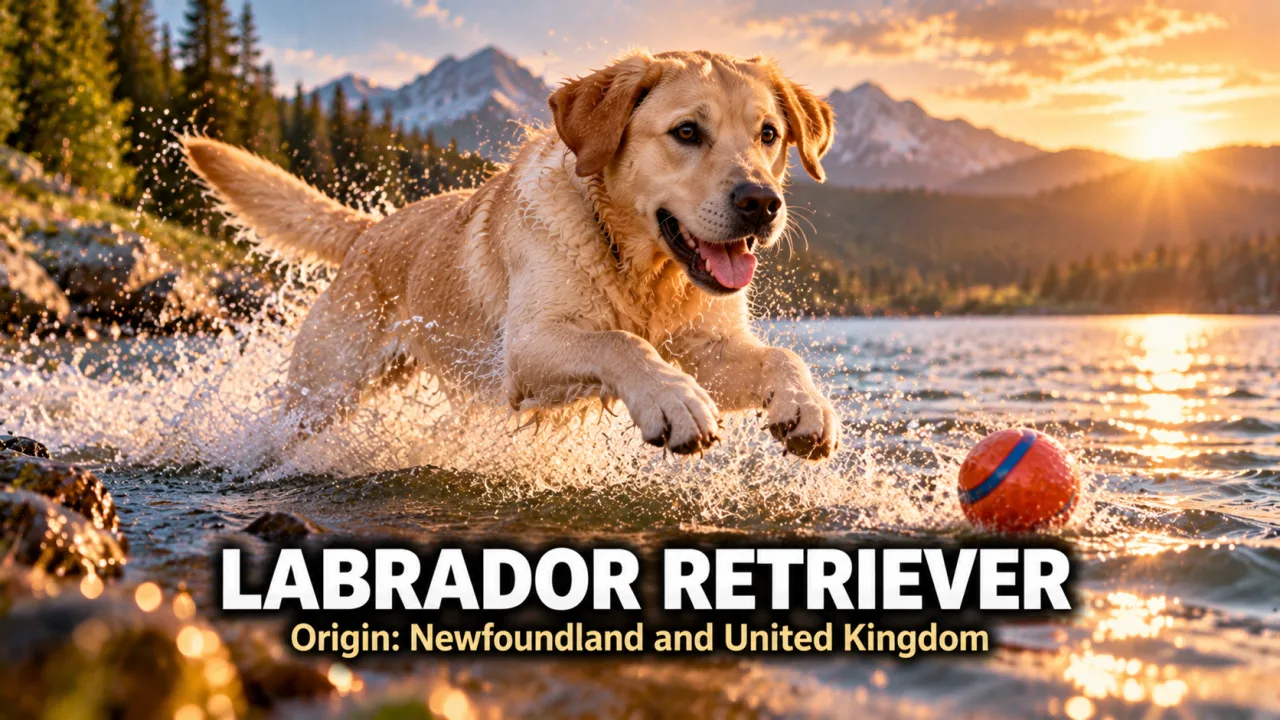
- Labrador Retriever: one of the most popular dog breeds in the world.
- Golden Retriever, Flat-Coated Retriever and Nova Scotia Duck Tolling Retriever.
- English Springer Spaniel, Cocker Spaniel and English Cocker Spaniel: classic flushing spaniels.
- English Pointer, German Shorthaired Pointer, Weimaraner and Vizsla: pointing breeds.
- Portuguese Water Dog, Lagotto Romagnolo, Barbet and Spanish Water Dog: curly-coated water dogs.
Scent Hounds
Scent hounds follow a trail with the nose rather than the eye, often in packs and over long distances. Their long ears and loose lips are thought to help trap scent near the face.
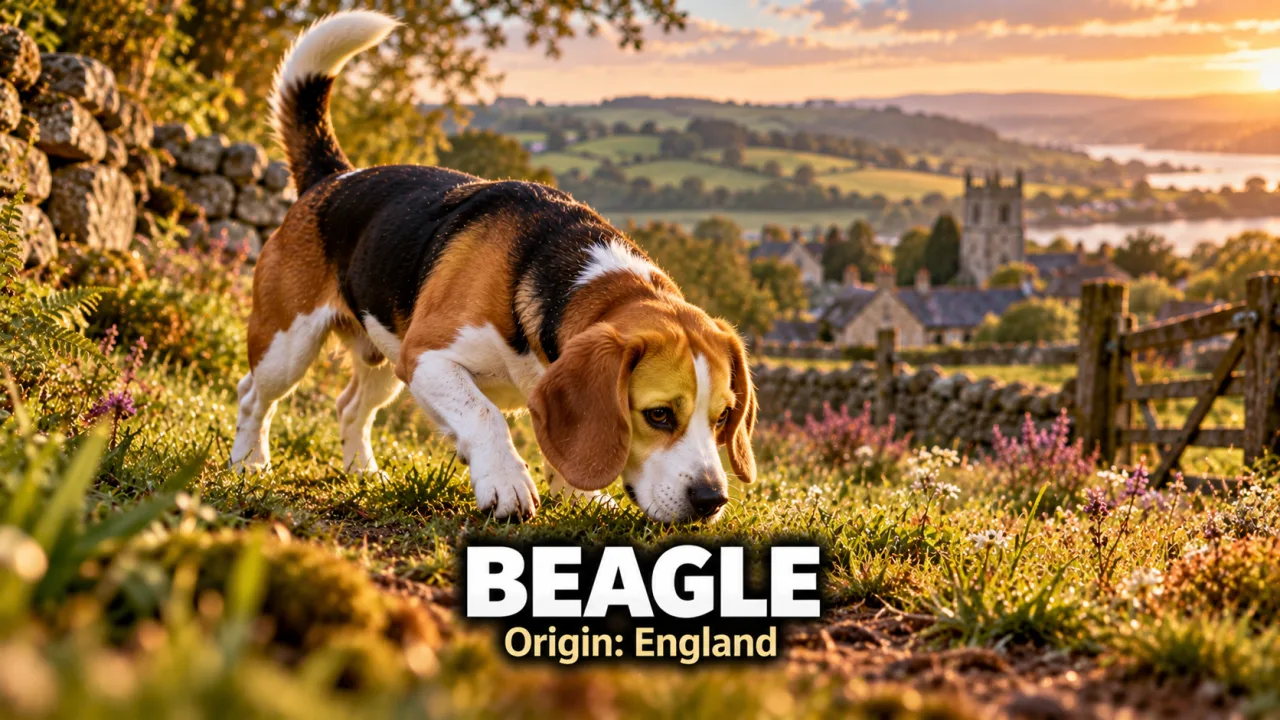
- Beagle: the merry pack hound of England, now a worldwide family favourite.
- Bloodhound: the tracker whose trailing evidence has been accepted in court.
- Basset Hound and Dachshund: low-built hounds for rabbit and badger.
- American Foxhound, English Foxhound and the Coonhound breeds.
- French hounds including the Grand Bleu de Gascogne and Petit Basset Griffon Vendéen.
- Scandinavian and East European hounds such as the Hamiltonstövare, Finnish Hound and Serbian Hound.
Companion and Toy Dogs
Small companion dogs have been kept by royal courts and households for many centuries. Some are shrunken versions of working breeds, while others were bred for company from the start.
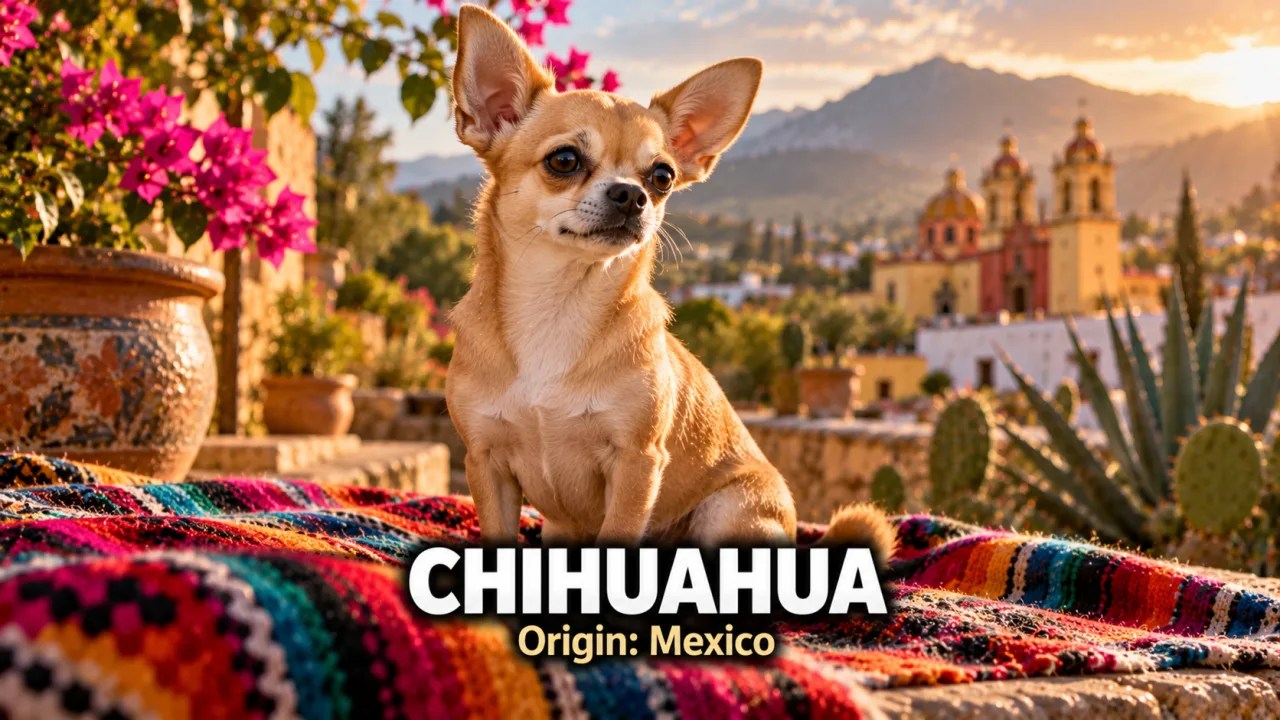
- Chihuahua: the smallest recognised dog breed, from Mexico.
- Pekingese, Pug, Shih Tzu and Lhasa Apso: Chinese and Tibetan palace and temple dogs.
- Maltese, Bichon Frisé, Havanese, Bolognese and Coton de Tulear: the bichon family.
- Cavalier King Charles Spaniel, Papillon and Japanese Chin: lap spaniels.
- Pomeranian, Toy Poodle, Chinese Crested and Brussels Griffon.
Native Dogs of India
India has a large family of native dogs, from sighthounds of the Deccan to mountain guardians of the Himalayas. Some are established breeds with written standards. Others are regional landraces and should not be treated as equal to internationally standardised breeds. Interest in native breeds has grown in recent years, and the Mudhol Hound has been trained for service with the Indian Army and several security forces.
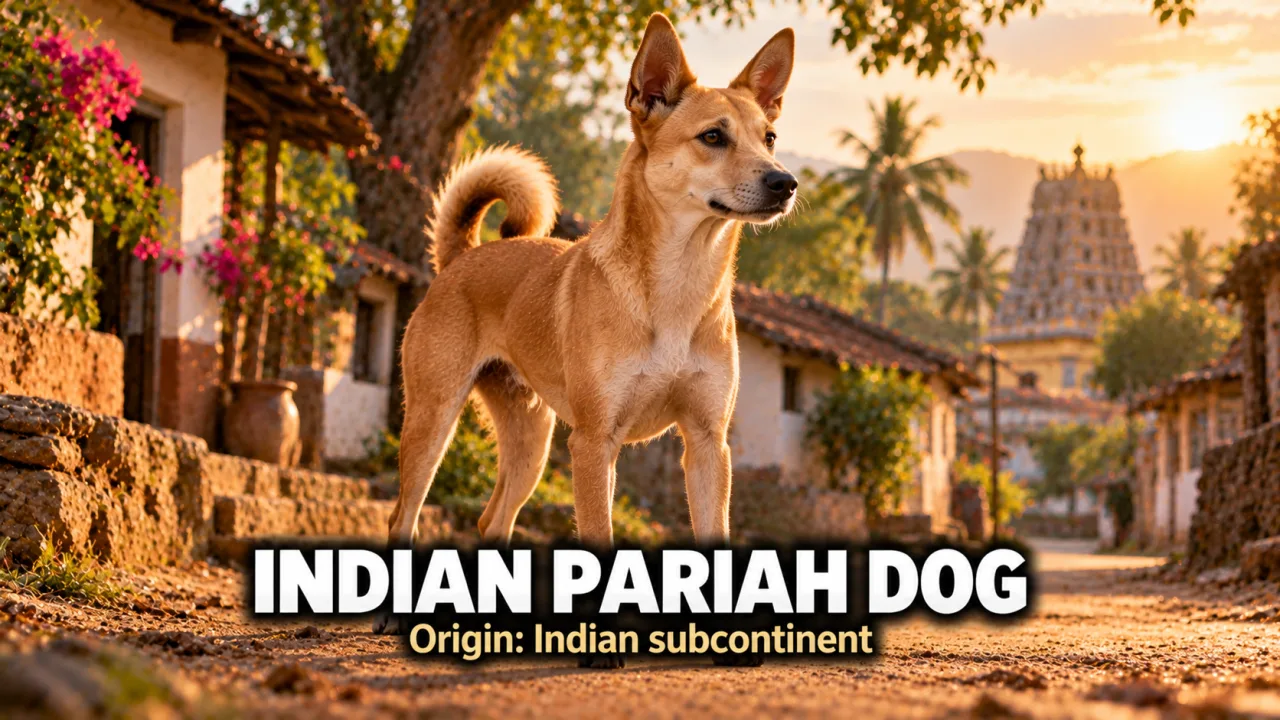
- Indian Pariah Dog: the ancient, hardy native dog of the subcontinent.
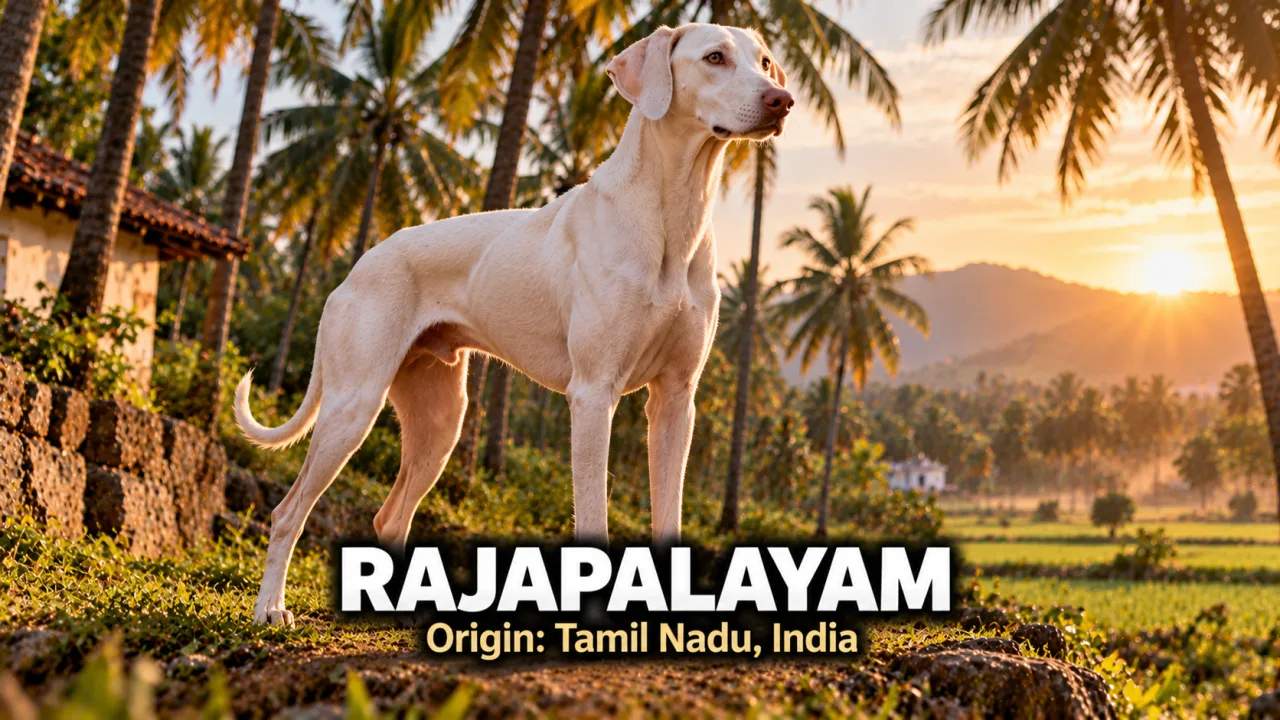
- Rajapalayam: the white sighthound of Tamil Nadu.
- Mudhol Hound (Caravan Hound): the lean sighthound of Karnataka and Maharashtra.
- Chippiparai, Kanni and Kombai: Tamil Nadu's hunting and guard dogs.
- Rampur Hound: the sighthound of the former Rampur princely state.
- Bakharwal Dog, Gaddi Kutta, Himalayan Sheepdog and Tangkhul Hui: dogs of the hills and mountains.
- Pandikona, Jonangi and Banjara Hound: lesser-known regional types.
Dogs of Other Regions
| Region | Notable native dogs |
|---|---|
| Japan | Akita, Shiba Inu, Shikoku, Kishu Ken, Kai Ken, Hokkaido, Japanese Chin, Japanese Spitz, Japanese Terrier |
| China and Tibet | Chow Chow, Chinese Shar-Pei, Chinese Crested, Pekingese, Tibetan Mastiff, Tibetan Spaniel, Tibetan Terrier, Lhasa Apso, Kunming Dog |
| Korea | Korean Jindo, Sapsali, Donggyeongi, Jeju Dog |
| Southeast Asia | Thai Ridgeback, Thai Bangkaew Dog, Phu Quoc Ridgeback, H'Mong Bobtail Dog, Kintamani-Bali Dog, Philippine Aspin |
| Turkey | Kangal, Anatolian Shepherd Dog, Akbash, Aksaray Malaklisi, Turkish Pointer (Catalburun) |
| Iran and Afghanistan | Saluki, Tazi, Sarabi Dog, Sage Koochee, Afghan Hound |
| Russia | Borzoi, Russian Black Terrier, Samoyed, Caucasian Shepherd Dog, Laikas, Russian Toy |
| Americas | Xoloitzcuintli, Peruvian Inca Orchid, Chihuahua, Carolina Dog, Dogo Argentino, Fila Brasileiro |
Extinct Breeds and Historical Types
Many dog types have vanished. Some were replaced by newer breeds, some were absorbed into the ancestry of today's dogs, and some disappeared when their job did. Several were landraces or broad types rather than formal breeds.
- Molossus: the heavy guard dog of ancient Greece and Rome, often cited as an ancestor of mastiffs.
- Tesem: the curly-tailed hunting dog shown in ancient Egyptian art.
- Alaunt: a medieval hunting and guard dog linked to the Alans of Central Asia.
- Talbot and Southern Hound: medieval white and heavy scent hounds behind later British hounds.
- Turnspit Dog: a small dog that turned roasting spits in British kitchens.
- Old English Bulldog and Bullenbeisser: forerunners of the modern Bulldog and Boxer.
- Salish Wool Dog: a woolly dog kept by Coast Salish peoples in the Pacific Northwest, whose fur was woven into blankets.
- Hare Indian Dog and Tahltan Bear Dog: lost dogs of North America's First Nations.
- Kurī and Hawaiian Poi Dog: Polynesian dogs that disappeared after European contact.
- Alpine Mastiff and Alpine Spaniel: ancestors of the Saint Bernard and other mountain dogs.
Breed, Landrace or Village Dog?
Not every dog population is a breed. Finepedia uses these labels so readers know what they are looking at:
- Official breed: recognised by a major kennel organisation with a written standard.
- Provisional breed: accepted by a kennel organisation on a trial basis before full recognition.
- National breed: recognised by a national club but not by the FCI.
- Landrace: a regional population shaped mainly by its environment and local use.
- Village dog: a free-breeding dog living alongside people, such as the Indian Pariah Dog or many street dogs.
- Historical type: a documented kind of dog that may never have had a formal standard.
Key Figures
- More than 340 dog breeds are known worldwide, according to the AKC.
- The FCI recognises around 360 breeds in 10 groups.
- The AKC recognises a little over 200 breeds in 7 groups.
- The Chihuahua is the smallest breed; the Irish Wolfhound is among the tallest.
- The Greyhound is the fastest breed at about 70 km/h.
- Dogs were domesticated roughly 15,000 to 30,000 years ago.
Explore Dog Breed Profiles
Finepedia is building a full profile for every breed in this guide. The first profiles are: Basenji, Saluki, Afghan Hound, Xoloitzcuintli, Siberian Husky, Akita, Border Collie, German Shepherd Dog, Tibetan Mastiff, Labrador Retriever, Beagle, Chihuahua, Indian Pariah Dog and Rajapalayam.



























Discussion
Log in with